The Smart Ass Summer 2026: The Front Runner
By Derek Rodriguez
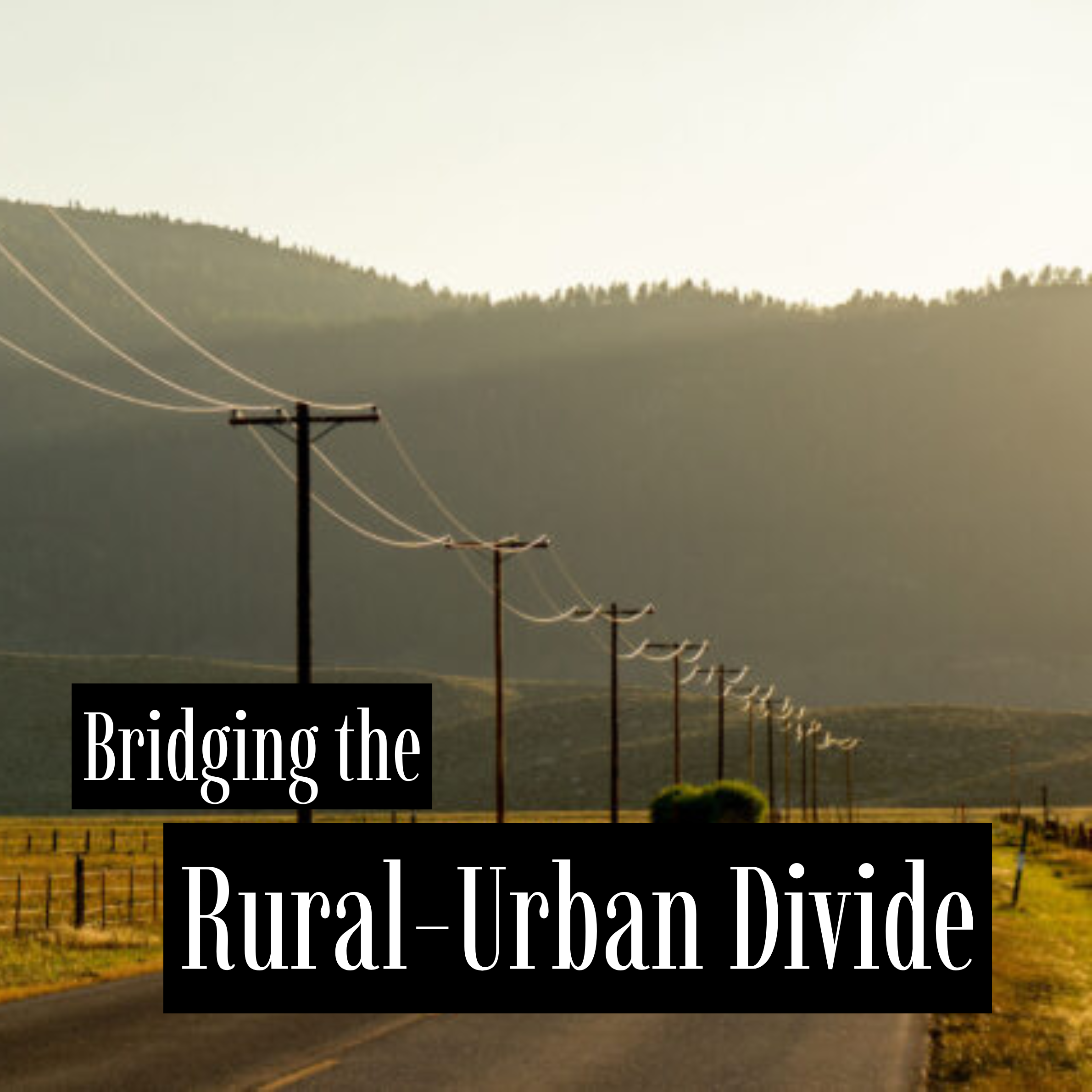
It's the drive down Interstate 5, the Breadbasket of America, the fields that grow aplenty, and the wide-open expanse, seemingly never-ending. It is here that many urban Californians first encounter a California that complicates the state’s liberal reputation.

By Audrey Kramer
When you close your eyes and think of our city, what do you see? I see thousands of young people who are thirsty for their futures. I think of a line halfway up Adeline Street for city council public comment. I see a city unafraid to be political and a community unafraid to act outside of the lines. But most notably, when I close my eyes and think of my city, I see a city saturated in art that represents these exact ideals.
By Ben Gildea
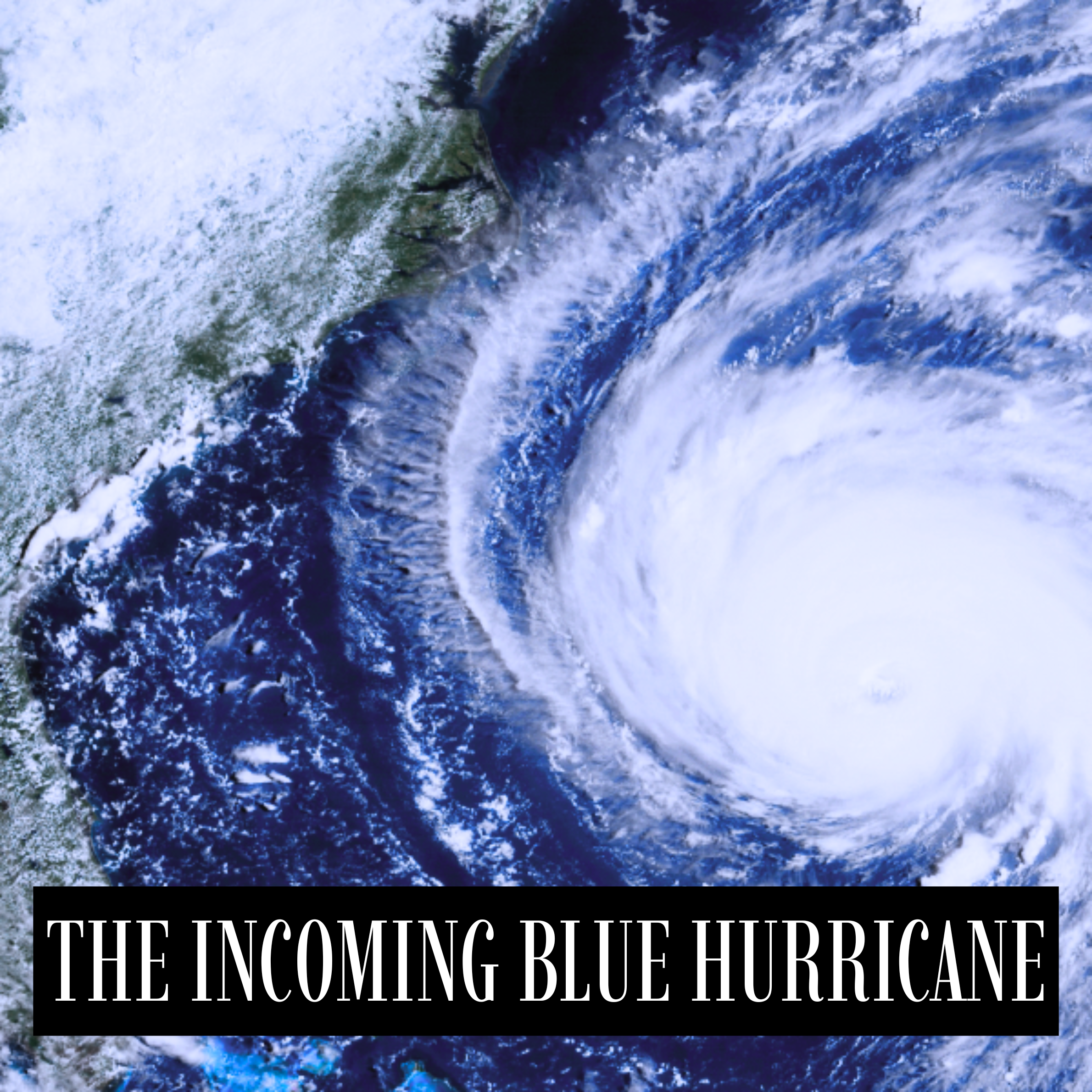
Midterms are almost always bad for the incumbent party. The last time the House was allied with a president after a midterm was 2002. The time before that was 1978. It is worth noting that Trump is not a particularly popular president, the Republican House majority is not particularly large, and the economy is not doing particularly well. In fact, the only particular features of the 2026 election appear to be conditions for a perfect Democratic storm.
By Ella Johnson
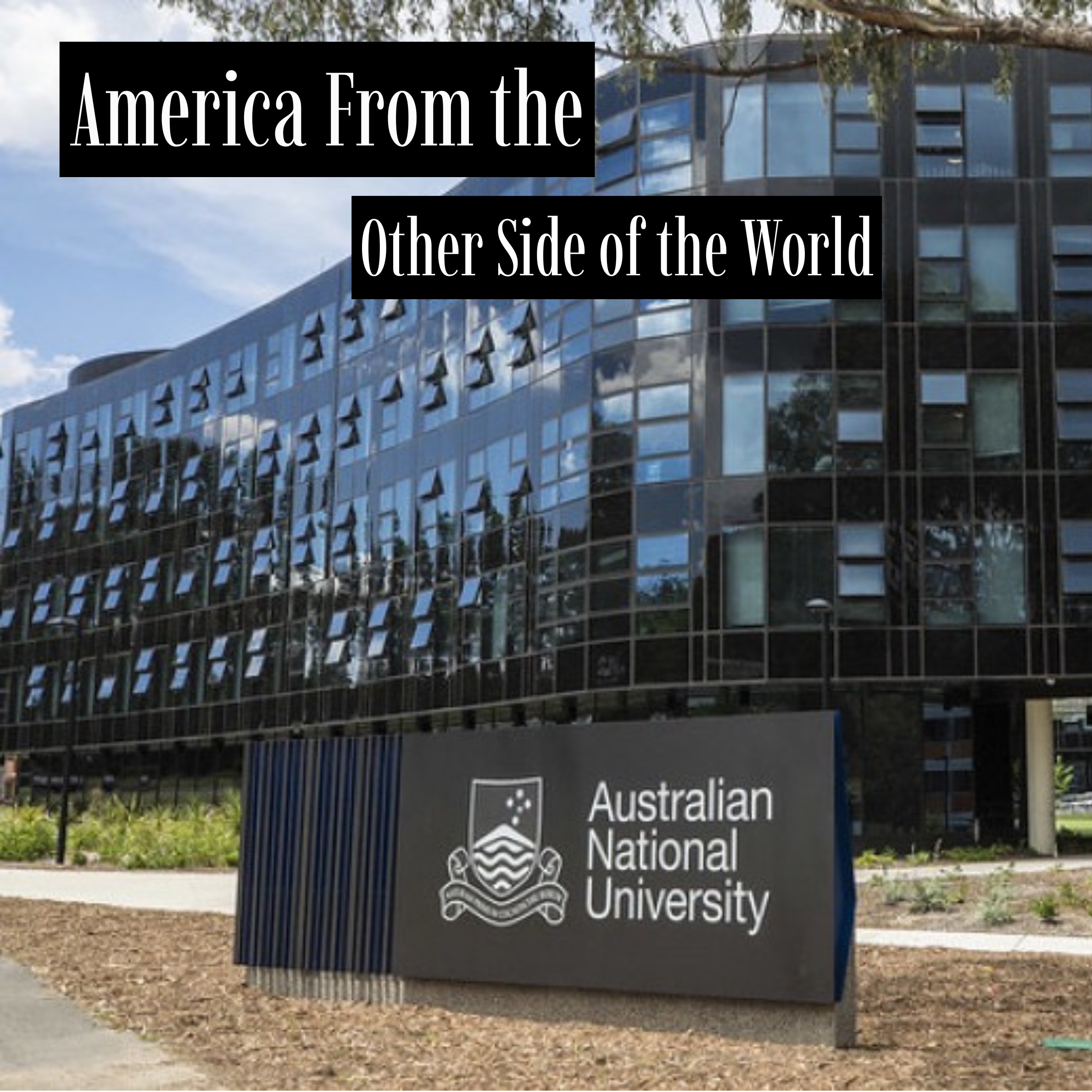
I’ve spent the last few months studying abroad in Australia, at the Australian National University in particular. As an international student who chose this city out of any other in the whole wide world, people here tend to be very confused as to why I chose to go to the nothingburger that is Canberra, Australia.
By Richard Zeng
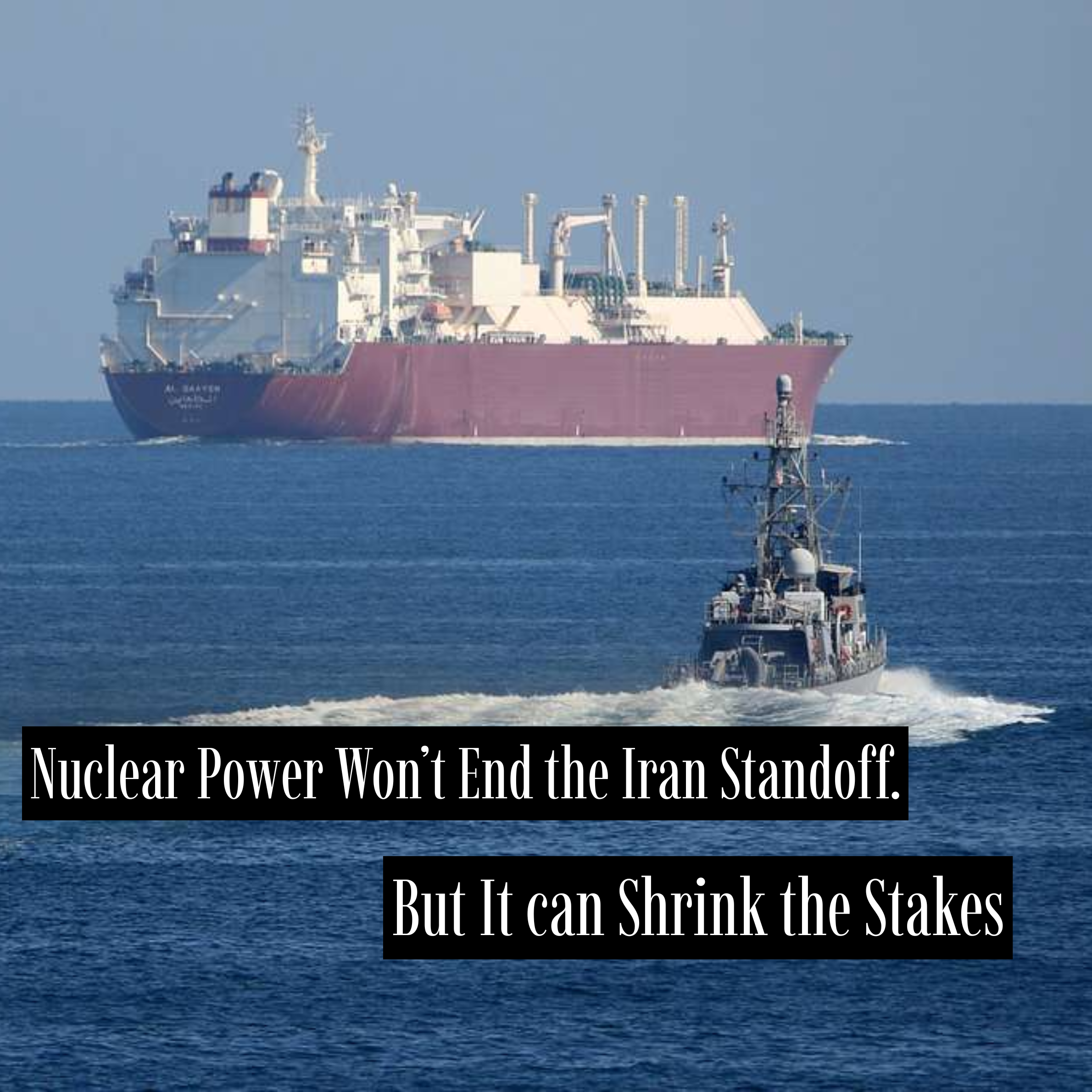
On February 28, 2026, American and Israeli planes bombed Iran, killing Supreme Leader Ali Khamenei and triggering a war that would drag on for months until its end in June via a ceasefire. But the widest-reaching effect of the war was neither a man nor any piece of land. It was the 21-mile-wide waterway that, within days, Iranian mines, missiles, and swarms of small attack boats rendered unusable.

By Lucas Cook
For 36 years people with disabilities have been increasingly able to access mainstream society. For 53 years it’s been illegal for agencies and businesses that receive federal funding to discriminate against people with disabilities. For 52 years there has been no person with a disability arrested for the reason of being visibly disabled under an ugly law ordinance.
When President George HW Bush signed the Americans with Disabilities Act in 1990, he stated, "Let the shameful wall of exclusion finally come tumbling down.”
By Spencer Reynolds
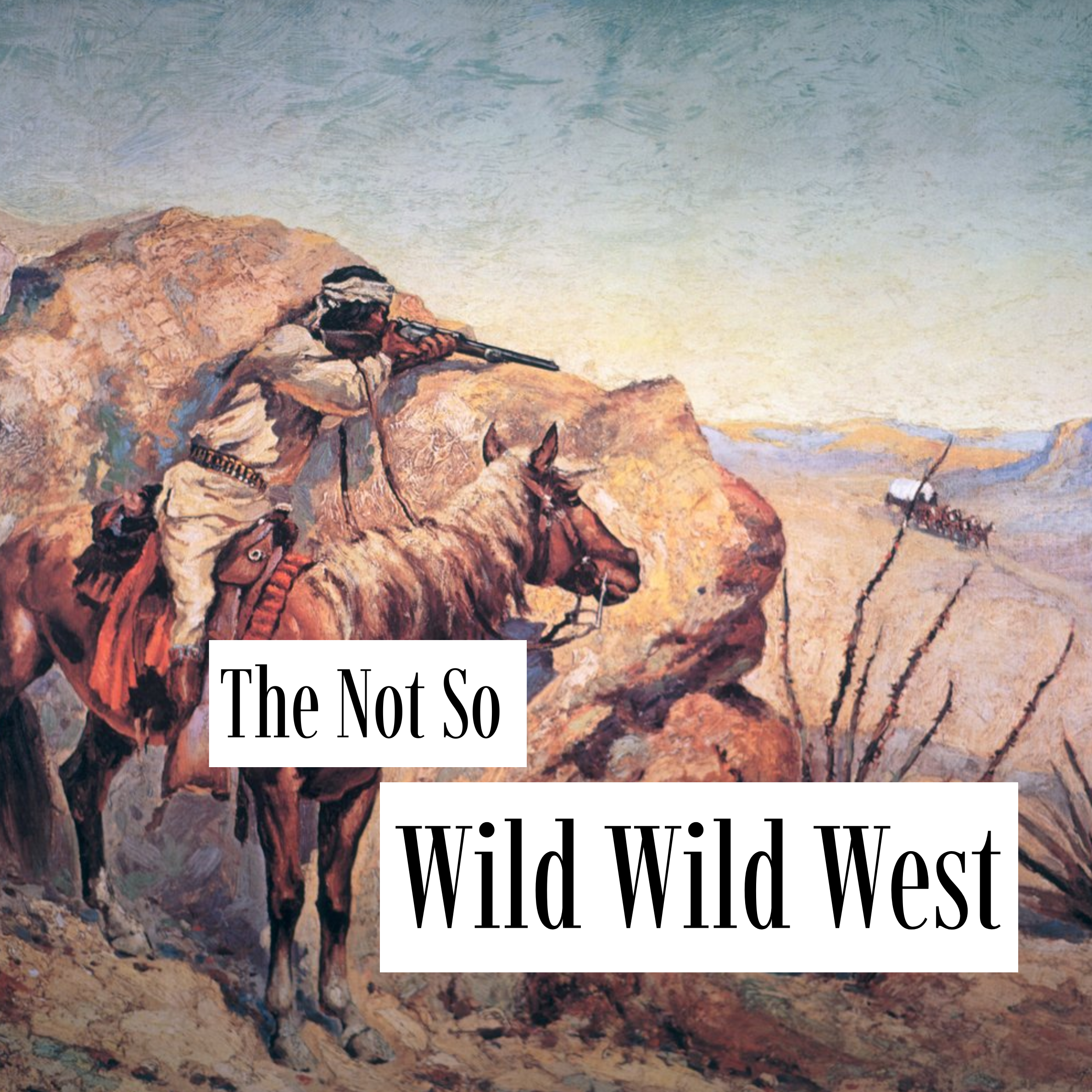
Gunslinging cowboys, pioneering individualists, and Native Americans in the background of the bison-filled Great Plains or the towering red buttes of Arizona—these are the images of America's Westward Expansion. While there is a hint of this romanticized history in reference to the likes of Buffalo Bill and Crazy Horse, they do not capture the always-present United States federal government.
By Hadley N. Nuff
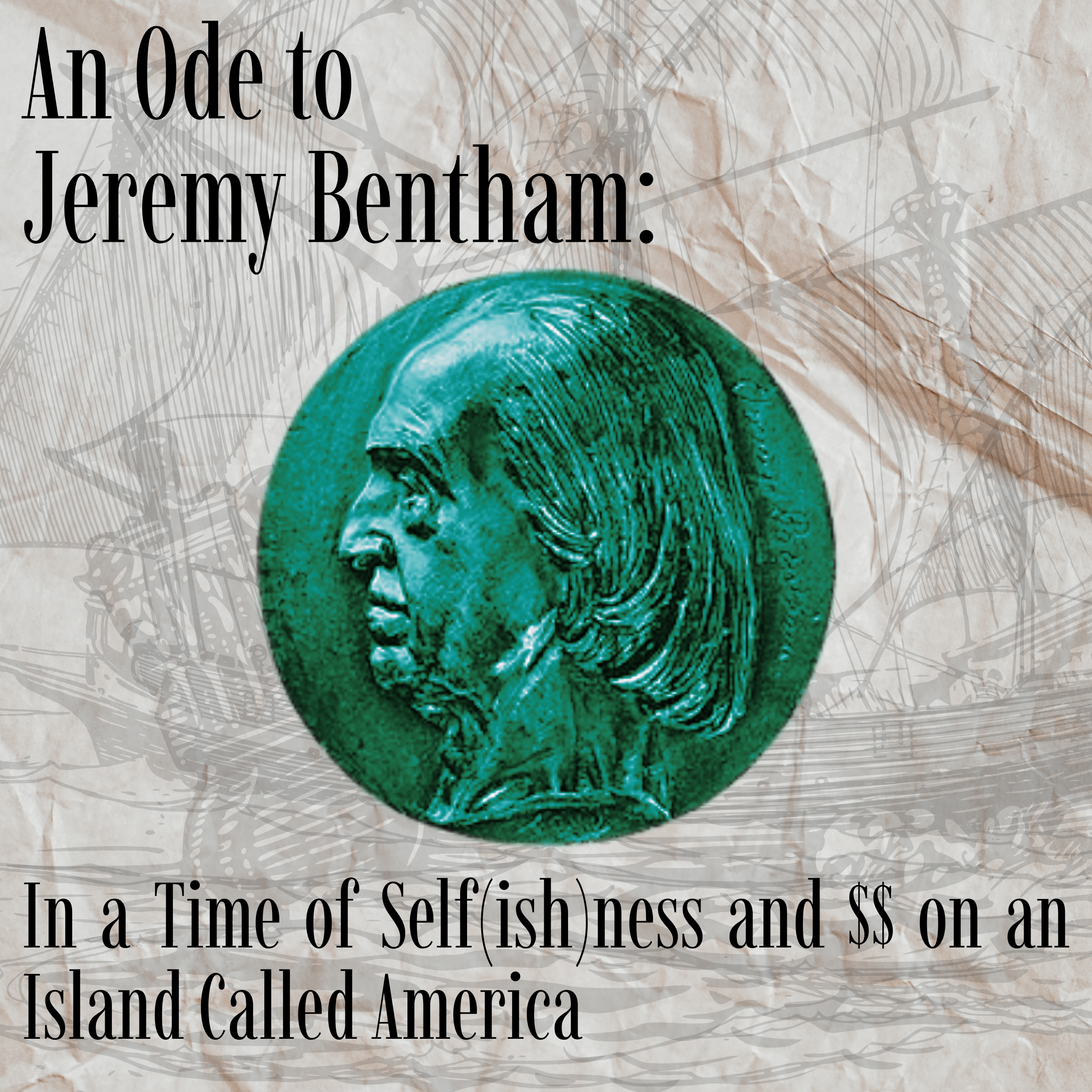
Bentham built a machine for measuring happiness. He called it the felicific calculus and gave it seven dials: how intense a pleasure is, how long it lasts, how certain it is, how soon it arrives, whether it breeds more of itself, and whether it arrives clean or with pain attached—and then the seventh, extent. How many people are in the sum?